


In the digital age, safeguarding your information is more important than ever. One of the biggest threats to your data security is phishing, a sneaky technique used by cybercriminals to steal your personal information. In this blog, we’ll break down everything you need to know about phishing so you can recognize and avoid falling victim to these scams.
What is Phishing?
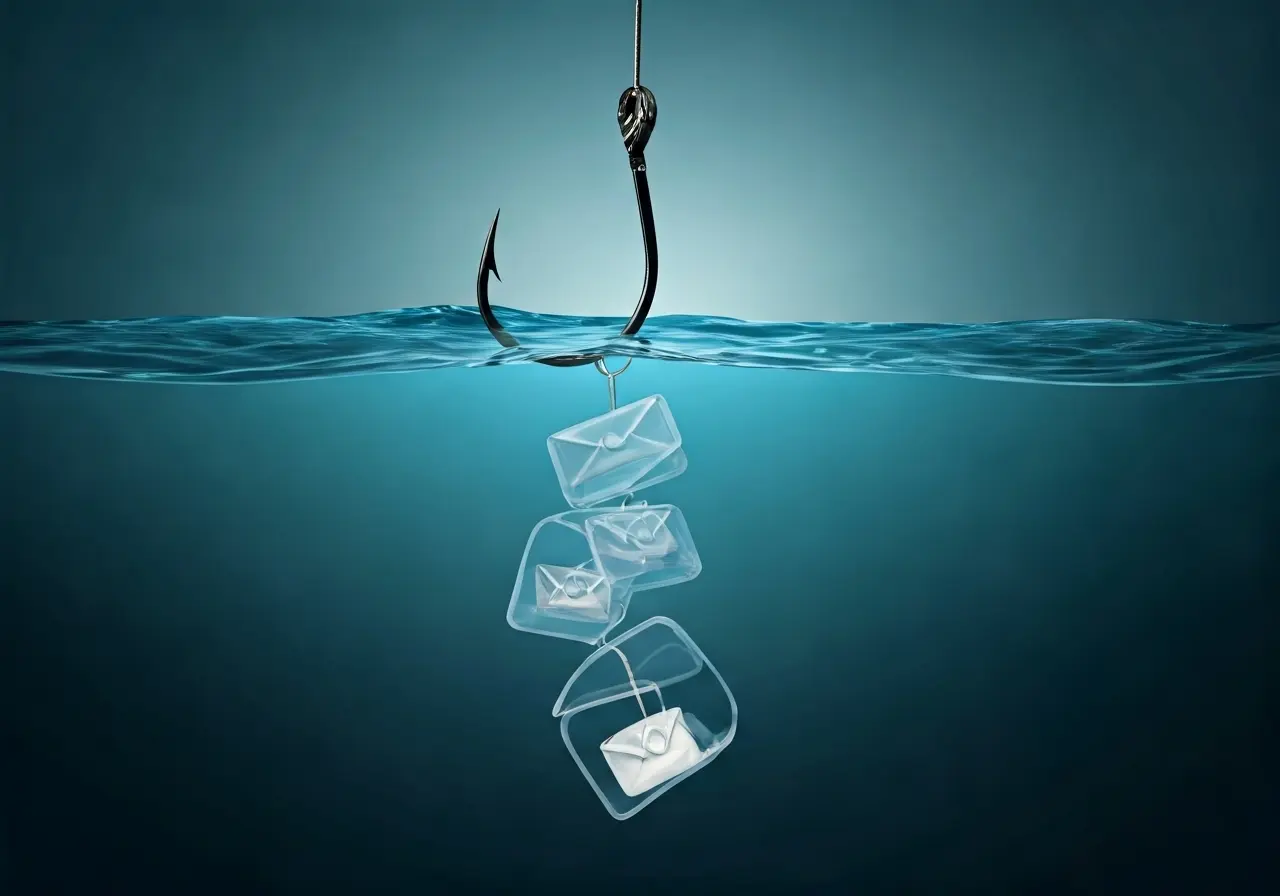
Phishing is a tactic used by cybercriminals to trick individuals into revealing sensitive information such as usernames, passwords, or credit card details. This is typically done through deceptive emails, messages, or websites that mimic legitimate sources.
These fraudulent communications are crafted to appear trustworthy, often impersonating familiar companies or institutions. Imagine receiving an email from what looks like your bank, alerting you to suspicious activity and urging you to log in immediately. The link provided, however, leads to a cleverly disguised fake site that eagerly collects your login details. Such is the slippery nature of phishing; its effectiveness lies in its ability to impersonate and deceive. This highlights the need to understand and identify these fraudulent signals in order to safeguard your personal information.
How Phishing Attacks Work
Phishing attacks often begin with a seemingly harmless email or message. These communications are designed to look like they come from a trusted source, such as your bank or a popular online platform. They will often contain a link or attachment that, when clicked, leads to a fake website prompting you to enter your personal information.
Understanding the mechanics of a phishing attack can be a game-changer in protecting your data. It usually starts with attackers gathering information about you, which might be as simple as your name or email address. Once they have these details, they craft personalized messages that appear genuine. Increasingly, cybercriminals are using advanced techniques to ensure their scams are more sophisticated and harder to spot. You might notice an email with an expertly replicated company logo or even a URL that looks almost identical to a legitimate one, with only a minor alteration. Once the unsuspecting victim clicks through to the fake site, any data entered is captured automatically. Such phishing strategies have become so effective that even seasoned internet users can fall prey if they’re not vigilant. Therefore, it’s crucial to rigorously scrutinize unexpected messages and links before opting to take action.
Recognizing Common Phishing Tactics
Phishing messages often include urgent requests for you to take action (‘Your account will be closed!’), poor grammar and spelling, and generic greetings (‘Dear customer’). Being able to identify these red flags can help you avoid falling for a phishing scam.
An effective way to tackle phishing is to familiarize yourself with typical tactics used by attackers. For example, many phishing emails employ tactics that create a false sense of urgency, prompting quick, careless actions. They often pose as official communications from legitimate organizations and can sometimes mimic the tone and style of official documentation. Another glaring red flag is any solicitation for sensitive information directly through emails or messages. Remember, legitimate companies rarely, if ever, ask for sensitive data this way. Keep an eye on inconsistencies like suspicious attachments or links that redirect to unfamiliar domains, subtle misspellings, or slight deviations in URLs. The key to protection lies in awareness and critical assessment of all communications, especially those that seem out of the ordinary or solicit personal data.
Steps to Protect Your Data
There are several steps you can take to protect yourself from phishing attacks. Use two-factor authentication wherever possible, be cautious of links and attachments, and keep your software up to date. Additionally, educating yourself about the latest phishing techniques can help you stay one step ahead.
Apart from general caution, a multi-layered defense approach can greatly enhance your online security. Begin by securing your accounts with strong, unique passwords, and consider using a password manager to keep track of them. Routine updates to your security software ensure you’re protected against the latest threats. Most importantly, remain skeptical of any unsolicited demands for sensitive information. Engage with emails and links only after verifying their legitimacy—hover over links to check the address and verify the sender whenever in doubt. It’s also worth noting that practices like regularly monitoring account statements online can promptly alert you to any unauthorized activity. By adopting these advanced protective measures, you build a robust defense that can resist even the most convincing of phishing attempts.
Prevention is better than cure, and when it comes to phishing, proactive protection can save you a world of trouble. Start by ensuring that all your devices have the latest antivirus software installed and running. Setting up email filters to automatically detect and alter you to potential threats can be incredibly useful. Moreover, stay updated on phishing trends and tactics by following reputable cyber security blogs or platforms. This kind of continuous learning keeps you informed and better prepared to recognize a scam before it’s too late.
What to Do If You Fall Victim to a Phishing Scam
If you suspect you’ve fallen for a phishing scam, act quickly. Change your passwords immediately, contact your financial institution if sensitive information was compromised, and report the phishing attempt to the relevant authorities to help prevent future attacks.
The realization of falling victim to phishing can be stressful, but swift action can mitigate potential damage. Start with an immediate review of your accounts and transactions. Change passwords using a secure and unique combination, especially for any accounts potentially involved in the breach. If financial data is at risk, notify your bank or credit card company directly to monitor for fraudulent activity. Reporting the incident to cybersecurity bodies not only aids their efforts to curtail cybercrime but might also protect others from similar threats. This is precisely where collective vigilance plays a critical role in cyber defense.
Experiencing a phishing attack can be a valuable lesson in future awareness. Take it as an opportunity to shore up your cybersecurity measures and share your experience with others. Doing so helps raise awareness and contributes to the safety of your broader community by highlighting specific tactics or details that others might not be familiar with.
Your Data, Your Responsibility
Understanding phishing and how it works is your first step towards protecting your data. By staying informed and vigilant, you can keep your personal information secure and out of the hands of cybercriminals. Remember, when it comes to protecting your digital life, a little caution goes a long way.