

In an increasingly digital world, small businesses in Boise must be vigilant against cybersecurity threats like smishing. This blog explores what smishing is, provides real-world examples, and offers practical advice to protect your business. Let’s demystify this cyber threat and learn how to keep your data safe.
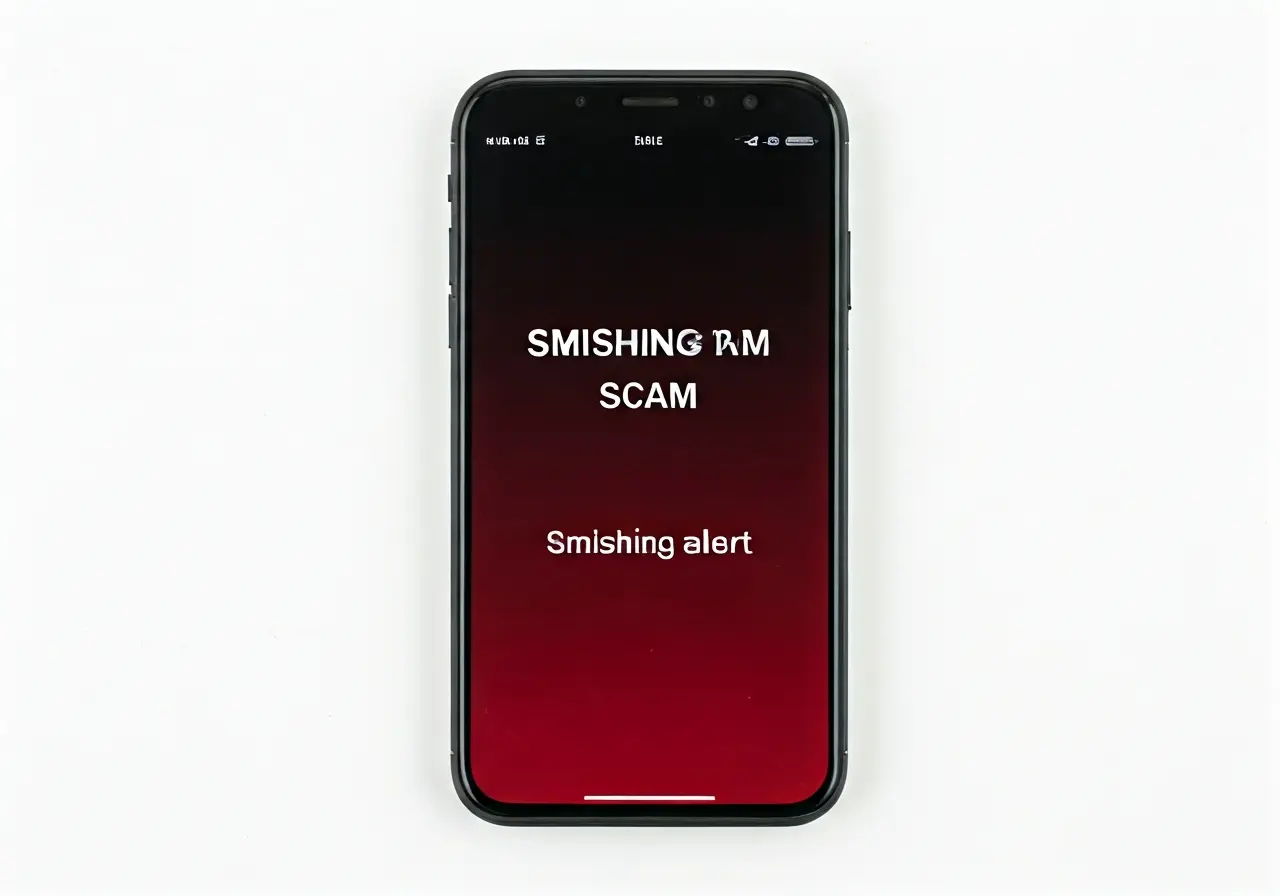
Understanding Smishing: What Is It?
Smishing, a combination of ‘SMS’ and ‘phishing’, involves fraudulent text messages aimed at tricking recipients into revealing sensitive information. These manipulative texts often appear to come from legitimate sources, such as banks or well-known companies, urging the recipient to click on a link or call a provided number. The goal? To steal personal information like passwords, credit card numbers, or social security numbers. Recognizing these deceitful messages is crucial. Common signs include an unusual sense of urgency, requests to verify account details, or unexpected attachments and links. Being cautious when receiving such messages can deter cybercriminals from succeeding.
As you look closely at smishing messages, notice their crafty wording. Often, these messages play on emotions—fear, curiosity, or urgency—to prompt a quick response without much thought. For instance, you might receive a text claiming there’s a suspicious activity in your bank account that needs immediate validation or confirmation. Understanding the common cybersecurity threats can arm you with the knowledge to discern potentially harmful messages. With Boise’s growing reliance on smartphones for business communication, the risk of smishing increases. Remember, knowledge is your first line of defense.
Common Smishing Examples Targeting Small Businesses
Boise businesses have encountered various smishing tactics that are both clever and devious. One prevalent example is receiving a text alleged to be from a prominent shipping company claiming a delivery is pending, requiring a confirmation of details. Often these texts include a link to a counterfeit website designed to reap personal information. Bank-related scams, where the recipient is warned of a supposed breach, instructing to call a number, are also common. Unfortunately, these threats exploit the busy nature of small businesses where the human factor, hurried and distracted, is most vulnerable.
Another insidious form of smishing involves messages that appear to come from tech support or service providers. These often urge recipients to install fake software updates, which are actually malware in disguise. In some cases, these attacks have been tailored to specific industries, exploiting their unique workflows and systems. Awareness of these social engineering techniques empowers businesses to preemptively combat potential threats. Being forewarned about these deceptive practices allows Boise businesses to develop better strategies for defending their digital borders.
Why Boise Businesses Are Vulnerable
Boise has a booming small business sector, from quaint cafes to burgeoning tech startups, making it an attractive target for cybercriminals. These enterprises often operate with limited cybersecurity resources, compelling them to entrust sensitive data to digital platforms and employees who may lack extensive training in cybersecurity. A misconception that cyberattacks only target large corporations leaves small businesses unprepared. Awareness concerning the regional vulnerabilities can direct local business owners towards adopting personalized security measures, enhancing Boise’s collective cybersecurity resilience.
Additionally, the interconnectedness of Boise’s business community can inadvertently increase vulnerability. A breach in one business can potentially cascade into others, especially if data-sharing practices aren’t regulated properly. Understanding these network exposure risks can drive businesses to adopt comprehensive measures encompassing both internal and external operations. It’s essential for Boise businesses to recognize they form part of a larger ecosystem where collaborative efforts in enhancing cybersecurity can provide mutual benefits.
Steps to Protect Your Business from Smishing
One of the critical steps Boise businesses can take is implementing multi-factor authentication (MFA) for accounts. MFA adds an extra layer of security, making it more challenging for cybercriminals to gain unauthorized access even if passwords are compromised. Additionally, ensuring that your security software is up-to-date can protect against malicious software embedded in smishing links. Regularly updating your business cybersecurity framework with the latest practices can head off a significant number of threats.
Clear communication and policy protocols are necessary to safeguard employees against smishing. Establish guidelines for reporting suspicious messages and create an accessible channel for employees to verify any dubious communications. Encouraging double-checking of any received links or attachments contributes to a culture of security awareness. Moreover, conducting periodic cybersecurity audits can identify vulnerabilities and implement improvements proactively. These steps create a robust security culture that is vigilant against threats while fostering a safe business environment.
Educating Employees About Smishing
Education is a formidable tool in defense against smishing. By organizing regular training sessions featuring interactive learning methods—like simulations of smishing attempts—employees can develop an intuitive understanding of the threat landscape. This hands-on approach enhances their ability to discern suspicious messages instantly. Including up-to-date examples and evolving scam tactics in these sessions can refine their detection skills. Teaching your team to ask critical questions before reacting to any unexpected texts is crucial for maintaining digital hygiene and protecting sensitive information.
Making use of available online resources can supplement employee training effectively. There are numerous platforms offering detailed guides on cybersecurity that can be integrated into your team’s work routine. Encouragement of an open-door policy regarding cybersecurity questions or concerns can also elevate your business’s defensive capabilities. In fostering an environment where employees feel confident to approach cybersecurity issues, you instill in them the importance of vigilance and prompt reporting, adding an invaluable layer to your business’s protective measures.
Securing Your Business Against Smishing Threats
By understanding the tricks used in smishing attacks, Boise businesses can take proactive steps to protect themselves and their customers from potential security risks. Stay informed, educate your employees, and implement robust security measures to safeguard your business in this digital era. For further resources on enhancing your digital security, visit our homepage.