


In today’s digital landscape, protecting your data is more crucial than ever. With cyber threats evolving rapidly, staying ahead requires real-time monitoring solutions that proactively defend your organization. In this blog, we’ll explore the essentials of cybersecurity monitoring and how it can help secure your data effectively.
Understanding Cybersecurity Monitoring
Cybersecurity monitoring involves continuously analyzing your systems for any signs of security breaches. This process helps in identifying vulnerabilities and preventing potential attacks before they can cause harm.
Think of cybersecurity monitoring as the eyes and ears of your digital infrastructure. It functions 24⁄7, constantly on the lookout for irregular activities that could signal a threat. By comparing normal baseline behaviors to current operations, these systems can flag anomalies, whether it’s unauthorized access attempts, suspicious file changes, or irregular network traffic. This proactive approach is critical because it enables early detection, which is often the difference between a thwarted attack and a major data breach.
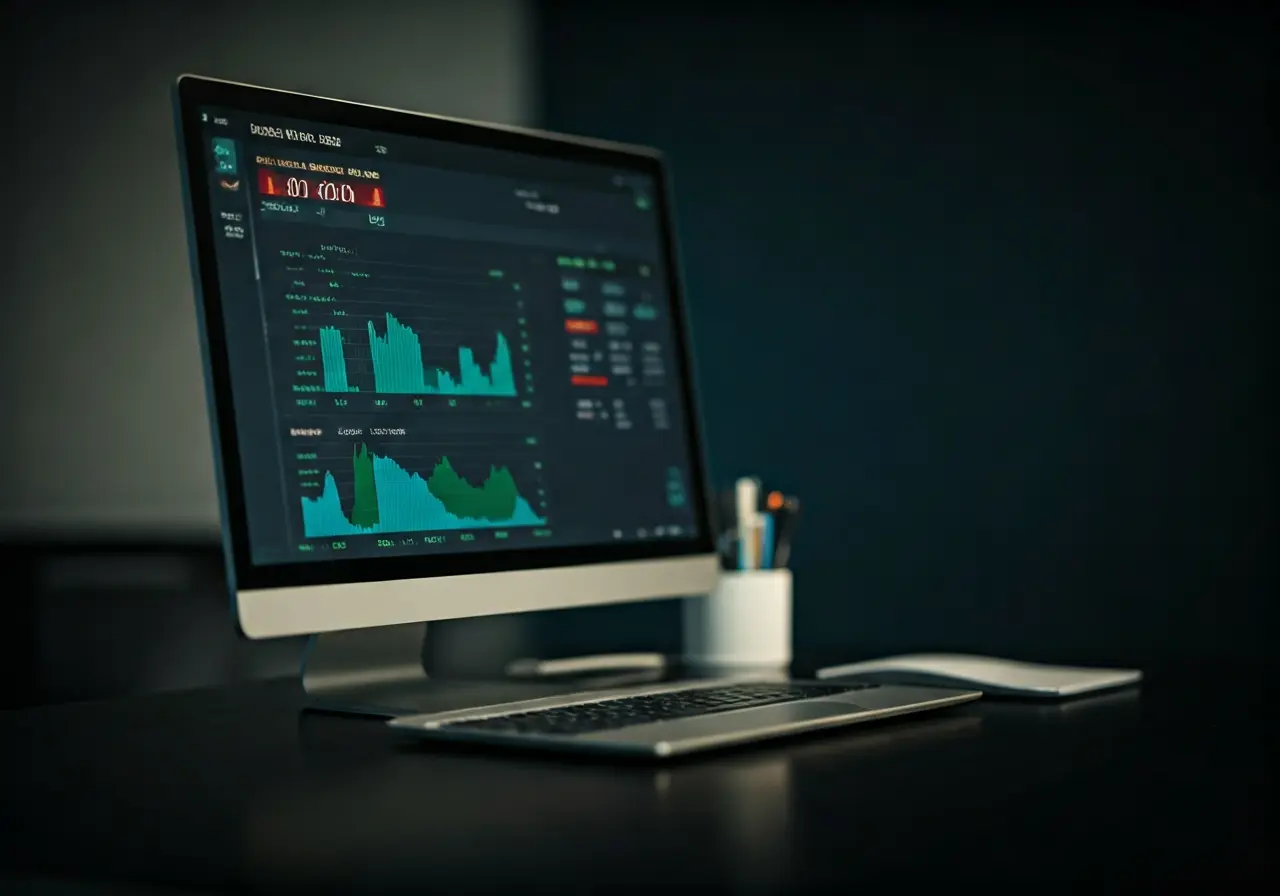
Beyond merely spotting threats, reliable cybersecurity monitoring also involves detailed analysis and reporting. Real-time dashboards provide comprehensive snapshots of current security status, while historical data allows for deep dives into past incidents. This dual capability not only aids in immediate threat mitigation but also helps refine and improve security strategies over time. In essence, cybersecurity monitoring isn’t just reactive—it’s a continuous learning process that evolves alongside emerging threats.
Key Components of a Robust Monitoring System
A comprehensive monitoring system should include components like threat detection, incident response, log management, and real-time alerts. Each element plays a vital role in identifying and mitigating threats efficiently.
Threat detection is the foundational component that leverages advanced technologies to identify suspicious activities. It employs various methods, such as signature-based detection, where known threat patterns are matched, and anomaly-based detection, which identifies deviations from normal behavior. This layered approach enhances the system’s capability to spot emerging threats that signature-based systems might miss. Meanwhile, log management systematically collects and analyzes log data from various sources, providing invaluable insights into attempted and successful intrusions.
Incident response is equally crucial and refers to the structured methodology for addressing security breaches. It’s about having a plan in place that allows your team to act swiftly and decisively when a threat is confirmed. This includes identifying the extent of the breach, containing it to prevent further damage, and eradicating the threat from the system. Coupled with real-time alerts, which provide immediate notifications about security breaches, your team can stay informed and poised to respond effectively at any moment. These elements combined ensure a dynamic and resilient defense mechanism that adapts to an ever-changing threat landscape.
The Role of AI and Machine Learning in Cybersecurity
Artificial Intelligence and Machine Learning are revolutionizing cybersecurity by enabling systems to learn from past incidents and predict future threats. These technologies enhance the speed and accuracy of threat detection.
AI and Machine Learning algorithms can sift through massive datasets far faster than any human analyst, identifying patterns and anomalies invisible to the naked eye. They can distinguish between benign irregularities and genuine security threats, significantly reducing false positives that can overwhelm security teams. This capability allows organizations to focus their efforts on genuine threats, streamlining the cybersecurity workflow and enhancing overall security posture. The iterative learning process within these technologies means they continue to evolve, becoming more adept at spotting even the most subtle signs of compromise.
Moreover, AI-driven automation facilitates rapid incident response by executing pre-defined actions. When a threat is detected, these systems can automatically isolate affected network segments to contain the breach or block malicious IP addresses. By doing so, they act as an additional layer of defense, buying valuable time for cybersecurity personnel to assess and react. By integrating AI and ML into cybersecurity monitoring, organizations benefit from a level of precision and agility that is fast becoming indispensable in fighting increasingly sophisticated cyber threats.
Best Practices for Effective Monitoring
To maximize your monitoring efforts, regularly update your software, train your staff, and conduct periodic assessments of your security protocols. Ensuring that everyone is informed and vigilant is key to a successful cybersecurity strategy.
Regular software updates are essential as they often contain patches that address vulnerabilities identified in previous versions. Cybercriminals are adept at exploiting these weaknesses, which makes outdated software a common entry point for attacks. Therefore, instituting a policy that ensures all software and systems are up-to-date is a foundational step in securing your network.
Employee training is equally important for maintaining cybersecurity. Most breaches occur due to human error, such as falling for phishing attacks. By fostering a culture of security awareness and conducting regular training sessions, you equip your staff with the knowledge to recognize and report suspicious activities. Good monitoring systems should complement these efforts by providing intuitive dashboards and straightforward alerts that help employees respond effectively to potential threats.
Conducting regular security audits and testing is another best practice that shouldn’t be overlooked. These evaluations help identify existing vulnerabilities and potential areas of improvement. Penetration testing, for example, simulates cyberattacks to check the effectiveness of security measures. These practices, along with real-time monitoring, create a dynamic cybersecurity ecosystem that is prepared to anticipate and respond to threats promptly.
Future Trends in Cybersecurity Monitoring
As technology evolves, expect to see advancements such as the integration of automated systems and more sophisticated threat intelligence tools. Staying updated with these trends can help you maintain a cutting-edge security posture.
One exciting development on the horizon is the increased use of blockchain technology in cybersecurity. Due to its decentralized nature, blockchain enhances data integrity and transparency, making it an attractive option for managing digital identities and ensuring the authenticity of transactions. Additionally, advances in Quantum computing are prompting the development of quantum-resistant algorithms, aiming to safeguard data against potential threats posed by this powerful technology.
The future of cybersecurity monitoring will also be shaped by greater collaboration and information sharing across industries. As cyber threats grow more sophisticated, collaboration will become crucial in creating a unified defense. Cybersecurity organizations and alliances are beginning to share threat intelligence, helping companies anticipate attacks better and respond more effectively when they occur. By adopting these progressive practices, organizations can fortify their defenses and ensure their data remains secure in a rapidly advancing digital world.
Securing Your Future with Real-Time Monitoring
As cyber threats continue to evolve, implementing real-time cybersecurity monitoring is no longer optional—it’s essential. By understanding what to monitor, leveraging advanced tools, and staying informed about the latest trends, you can safeguard your data and maintain peace of mind in an increasingly digital world.