


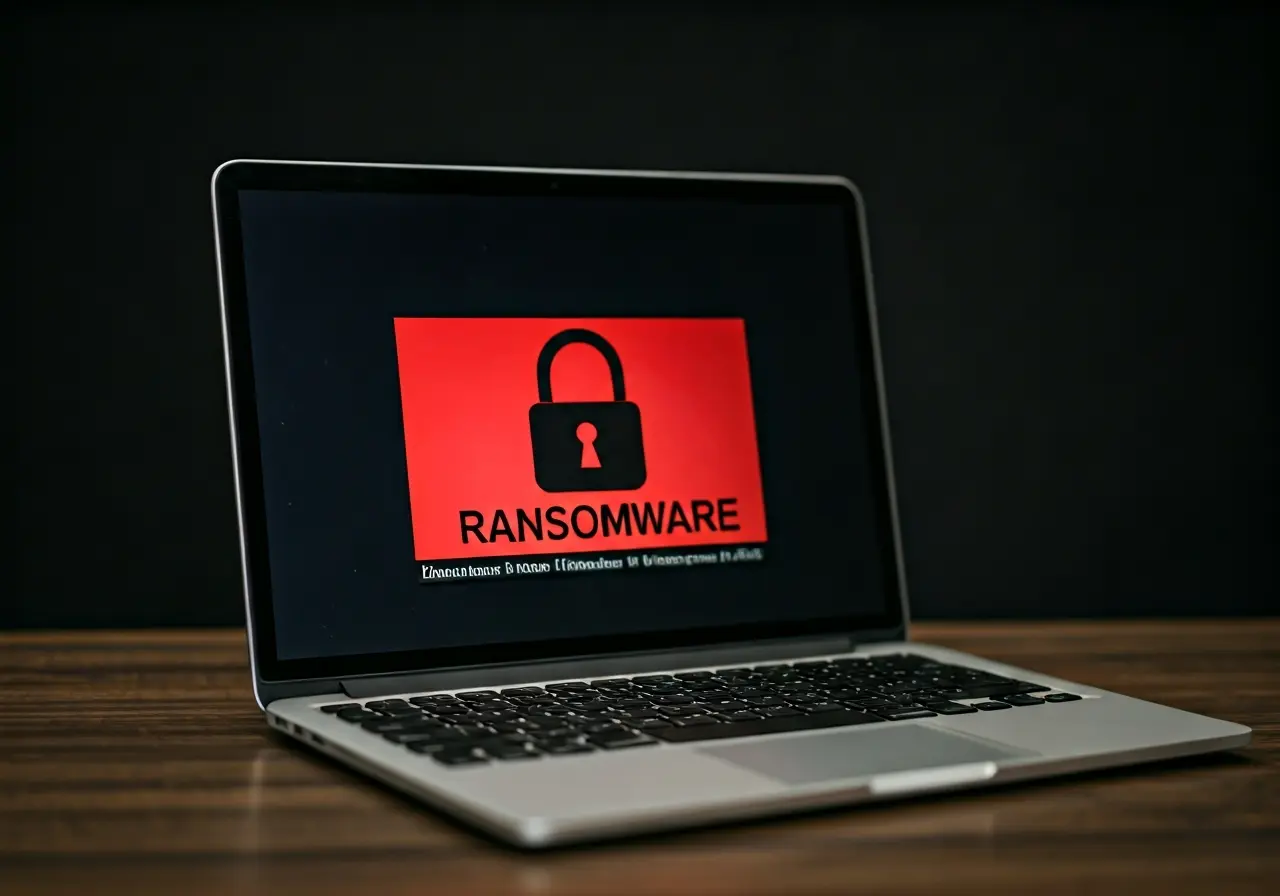
Ransomware is a type of malicious software that encrypts your files and demands a ransom to unlock them. In this blog, we’ll take a closer look at how ransomware operates, why it’s a growing concern, and what steps you can take if your device becomes infected. Understanding ransomware can help you protect your data and respond effectively in case of an attack.
What Is Ransomware?
Ransomware is a type of malware that encrypts the victim’s files, making them inaccessible until a ransom is paid. It’s a method used by cybercriminals to extort money from individuals and organizations.
This type of digital threat isn’t new, but it’s become increasingly sophisticated over the years. Ransomware attacks can target anyone from individual computer users to large corporations and government agencies. The main goal of these malicious attacks is usually financial gain, but in some cases, hackers may have other motivations such as disrupting operations.
A particularly notorious ransomware attack was WannaCry, which in 2017 affected hundreds of thousands of computers across 150 countries, demonstrating how quickly and alarming these attacks can spread.
How Does Ransomware Spread?
Ransomware can spread through phishing emails, malicious website ads, or compromised software updates. Once it infiltrates a system, it starts encrypting files, often going unnoticed until the ransom demand appears.
Email phishing is a particularly common method, where the attacker sends an email that appears to be from a legitimate source, encouraging the recipient to click a link or download an attachment. This simple action can lead to a ransomware infection.
In some cases, ransomware is delivered through exploit kits, which scan your devices for vulnerabilities and use them to install the malware without your knowledge. Therefore, keeping software current and patched is an essential preventive measure.
Recognizing the Signs of a Ransomware Attack
Common signs include unusual file extensions, pop-up messages demanding payment, and inability to access files. Recognizing these signs early can help mitigate the damage.
Often, the ransomware will also create README files or similar instructions in every affected folder, explaining how to pay the ransom and retrieve your files. The earlier these signs are identified, the quicker action can be taken to prevent further damage.
In more sophisticated attacks, the ransomware may disable security features like antivirus programs, which is another red flag indicating that your system may be compromised.
What Should You Do if You Get Infected?
First, disconnect from the internet to prevent further damage. Avoid paying the ransom and consult a cybersecurity professional. Use backup files to restore your system if possible.
Paying the ransom doesn’t guarantee that you’ll regain access to your files. In fact, it could make you a target for future attacks. Instead, seek advice from a cybersecurity expert who can guide you on the best recovery practices.
If you’re unable to resolve the issue on your own, reaching out to DevFuzion for professional support is a good step. Their comprehensive cybersecurity solutions can help you recover from an attack and protect against future incidents.
How Can You Prevent Ransomware Infections?
Regularly back up your data, use robust antivirus software, keep your systems updated, and be cautious with email attachments and links. Educating yourself and those around you is crucial in preventing ransomware attacks.
Implement multi-factor authentication wherever possible to add an extra layer of security. This can greatly reduce the chance of unauthorized access to your systems, thus lowering the risk of a ransomware attack.
Moreover, it’s important to conduct regular security training sessions for employees to highlight the dangers and recognizing methods of ransomware delivery. Informed employees are often the first line of defense against these attacks.
Wrapping Up: Protecting Yourself from Ransomware
Ransomware can be a frightening digital threat, but knowing how it works and what to do if you get infected is empowering. By staying informed and taking preventive measures, you can reduce the risk and impact of a ransomware attack. Always maintain backups, educate yourself and others, and don’t hesitate to seek professional help if needed.